.jpg)
How to Find the Best Podcasts to Be Featured On

How to Find the Best Podcasts to Be Featured On
Getting on podcasts is one of the smartest moves you can make in 2026.
Podcasts have completely changed how people consume content, build authority, and reach new audiences, and the industry keeps growing with more shows launching every day and more listeners tuning in. And the numbers back it up.
By the end of 2026, podcast listeners worldwide are expected to hit 619 million, and that's not slowing down anytime soon because by 2027, that number jumps to 651.7 million, that’s an increase of approximately 5.3%, according to Podcast Statistics 2026.
But here's what's interesting: people aren't just listening anymore. They're also joining as guests, starting their own shows, and businesses are getting into podcasting too. Everyone sees the opportunity.
The problem? Most people approach it wrong.
They pitch dozens of shows without conducting research, accept every invitation that comes their way, and then wonder why nothing happens after the interview goes live. No new clients. No partnerships. No real impact.
Here's the truth: the podcast you choose matters just as much as what you say during the interview. The wrong show wastes your time, but the right one opens doors.
So how do you find shows worth your time? How do you tell which podcasts have real audiences and which ones don't? What should you look for before saying yes?
That's what this guide covers. You'll learn how to research and vet podcasts properly, spot the red flags, and identify the specific things that separate good opportunities from great ones.
How to Find Podcasts to Be On
Finding the right podcasts starts with knowing where to look and what to look for.
Start with what you already know. Think about the podcasts you listen to and ask yourself which ones align with your message, your audience, what your audience currently listens to, and which hosts interview in a format and style you most enjoy. Make a list and write down 10-15 shows you'd actually want to be on, then expand from there.
You'll want to consider a few things:
- What kind of value can I add to this show?
- Does my message align with the show's format?
- What kind of guests does this show feature?
To find the "hidden gems" in your niche, you need the right tech stack.
Here are the top-rated tools for 2026:
- Rephonic has a searchable database of over 3 million shows with filters to find podcasts aligned with your niche and other useful features. There's a free trial if you're interested in exploring what's out there without committing to a paid plan right away.
- Apple Podcasts & Spotify is one of the most straightforward platforms for podcast discovery. You can search for keywords related to your industry or expertise, browse categories, read reviews, and see ratings. The review sections are particularly helpful because they give you unfiltered feedback from actual listeners about what they like and don't like about the show.
- Podchaser is basically the IMDb of podcasts, and it's one of the most comprehensive databases out there. You can search for podcasts by topic, see detailed stats on shows, read listener reviews, and even find out which guests have appeared on which shows.
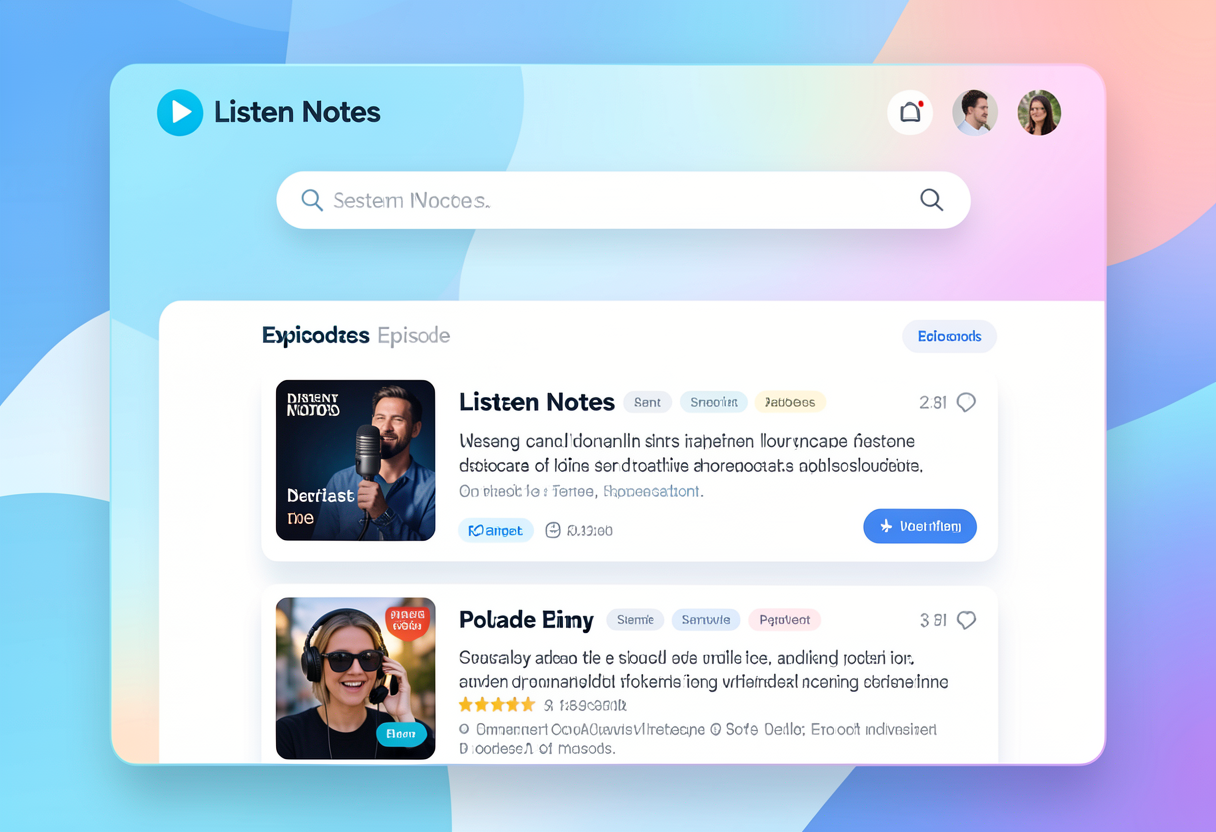
- Listen Notes is a powerful podcast search engine that indexes over 3 million podcasts and 170 million episodes. You can look at relevant shows in your industry, search by keyword, topic, language, and check global rank status.
Beyond these tools, there are other ways to expand your search. Let's get into it.
5 Proven Strategies to Expand Your Podcast Search
The right tools make finding so much easier but beyond using search engines, these five strategies will help you identify high-quality guest opportunities that your competitors are missing.
1. Reverse-Engineer Your Competitors
Look at the "As Seen On" section of industry leaders' websites. If a peer in your space was a guest on a specific show, that audience is already primed for your topic.
2. Leverage AI-Powered Vetting
In 2026, AI tools can analyze podcast transcripts to see if a host’s tone and the depth of their questions align with your brand. Use AI to summarize recent episodes before you pitch to ensure a perfect "vibe check."
3. Work with a PR Agency Specializing in Podcast Placements
If you're serious about getting on the right shows and don't have time to do all the research yourself, consider working with a public relations agency that specializes in podcast bookings. These agencies have established relationships with podcast hosts across industries and can secure placements on shows that are relevant to your expertise and audience. They know which shows are actively looking for guests, which ones have the best audiences, and how to pitch you in a way that gets results.
A good PR agency can save you months of trial and error and get you on shows you might not have access to on your own.
Ready to get featured on top podcasts without the guesswork? Book a discovery call with our team today. We'll help you identify the right shows for your expertise, secure high-quality placements, and turn podcast appearances into real business opportunities. Stop pitching blindly and start getting results—schedule your call now.
4. Use Guest Booking Marketplaces
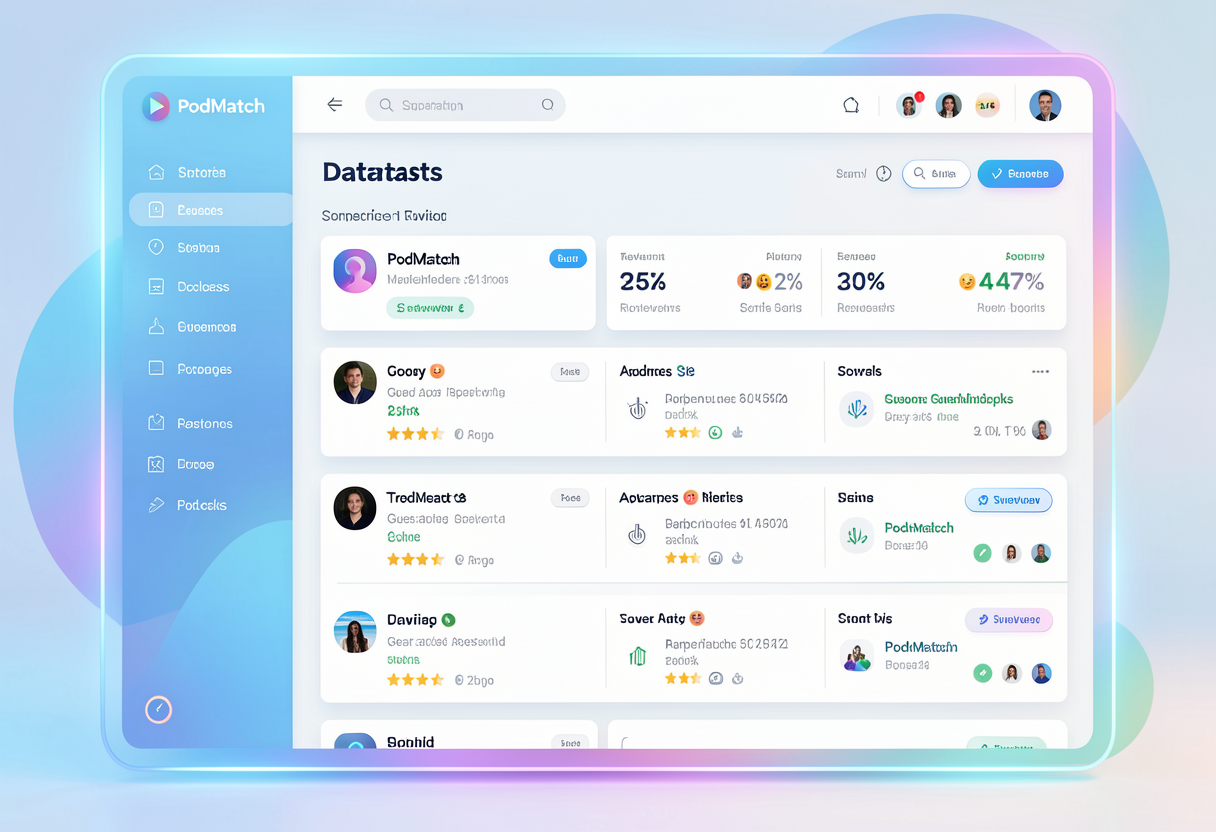
Platforms like Featured and PodMatch act as "dating sites" for hosts and guests. These are excellent for finding shows that are actively looking for guests, reducing the friction of cold pitching.
5. Prioritize "Niche Depth" Over "Mass Reach"
Don't be blinded by download numbers. A podcast with 5,000 highly engaged, industry-specific listeners often converts better than a general-interest show with 100,000 listeners. Aim for relevance over volume.
Good Shows vs. Not So Great Shows
Understanding the difference between quality podcasts and the ones that will not have real impact within your audience and industry.
Here's how they compare.
Good Shows:
- Publish episodes consistently on a regular schedule, whether that's weekly, biweekly, or monthly, and they stick to that schedule without long unexplained gaps
- Have strong ratings (4+ stars) with positive reviews that mention good audio quality, engaging hosts, and valuable content
- Feature credible guests who have real expertise and something meaningful to contribute to the conversation
- Actively promote episodes on social media, through email lists, and on their website with quotes, clips, and graphics
- Show at least 22 episodes or more, proving they've maintained momentum and built a loyal audience over time
- Have hosts who prepare for interviews, ask thoughtful questions, and create conversations that feel natural and engaging
- Have professional audio quality that makes the listening experience enjoyable
- Align with your expertise and have an audience that actually cares about what you have to say
Not So Great Shows:
- Have low ratings (below 3.5 stars) with reviews complaining about poor quality, unprepared hosts, or technical issues
- Book guests without being selective, taking anyone who says yes just to fill time slots
- Don't promote their episodes and expect the content to market itself without any effort
- Have fewer than 22 episodes and haven't proven they can sustain the show long-term
- Ask generic questions, or interrupt guests constantly
- Cover topics that don't align with your expertise or have an audience that won't benefit from what you have to share
The difference is obvious when you know what to look for.
Good shows treat podcasting professionally, value their guests, and invest in building a real audience. Not so great shows treat it like a hobby, don't put in the work, and won't deliver results no matter how good your interview is.
Final Thoughts
Getting featured on podcasts isn't about quantity, it's about strategy.
You could appear on 10 shows this year and see zero results, or you could carefully select 5 high-quality podcasts and generate real opportunities, meaningful connections, and measurable impact.
The difference comes down to how you choose.
Every podcast you say yes to is an investment of your time, energy, and reputation. You're not just sharing your expertise, you're associating your brand with that show, that host, and that audience. Choose wisely.
Start by doing the research. Use the tools and strategies in this guide to build a targeted list of shows that actually align with your goals. Look beyond download numbers and focus on audience quality, host credibility, and alignment with your message.
Vet every opportunity before you commit. Check their consistency, read their reviews, listen to a few episodes, and make sure the show meets your standards. If something feels off or the host isn't prepared, it's okay to say no.
Remember: the right podcast can introduce you to your next client, collaborator, or career opportunity. The wrong one wastes your time and dilutes your message.
Be selective. Be strategic. And most importantly, be intentional about where you show up.


